Seminar Session Outcomes
Interactive Seminar 1, Week 3, 18/02/20
Citizenship Activity Book Response
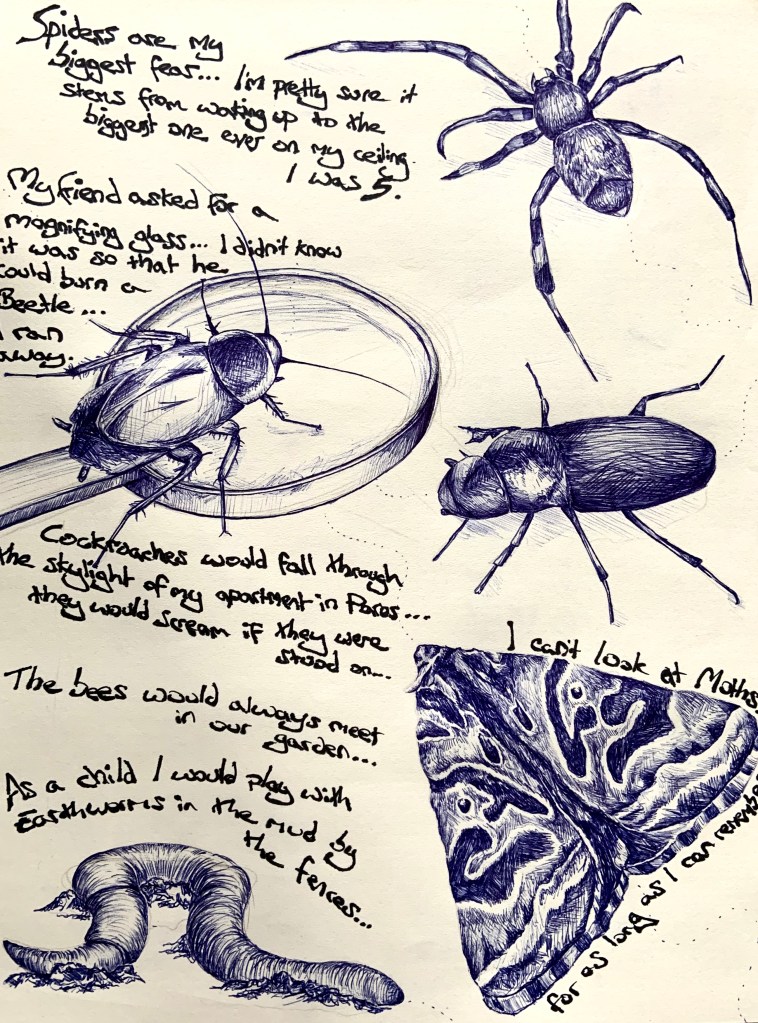
James and I responded to the Lost Bugs and Lightbulb Moments brief on Page 58 of the Re-Imagining Citizenship Activity Book. We wanted to explore the childhood memories of bugs, how they stay with us and whether they affect the ways in which we appreciate bugs as an adult. It was interesting to see if bugs bothered us, or if they terrorised us. We also asked people within a 20 year age gap what their own memories of bugs were.
Our creative response saw me draw various illustrations of the data we had collected, whilst James, as an English Student, crafted the stories that had been told.
Interactive Seminar 2, Week 5, 3/03/2020
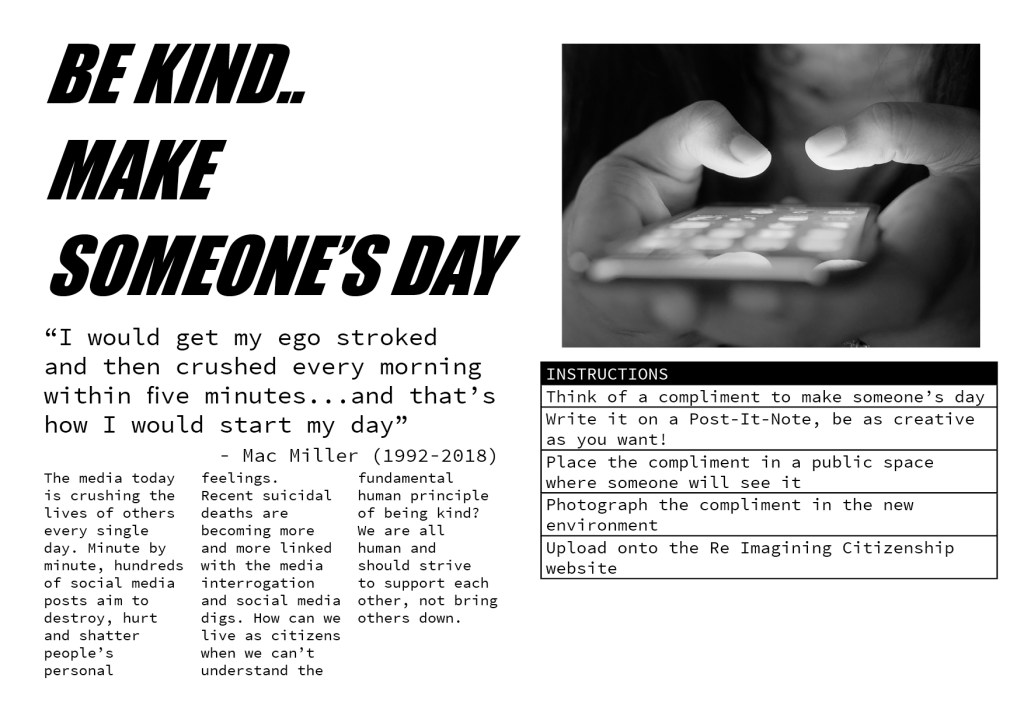
Pamphlet and Re-Imagining Citizenship Activity Creation
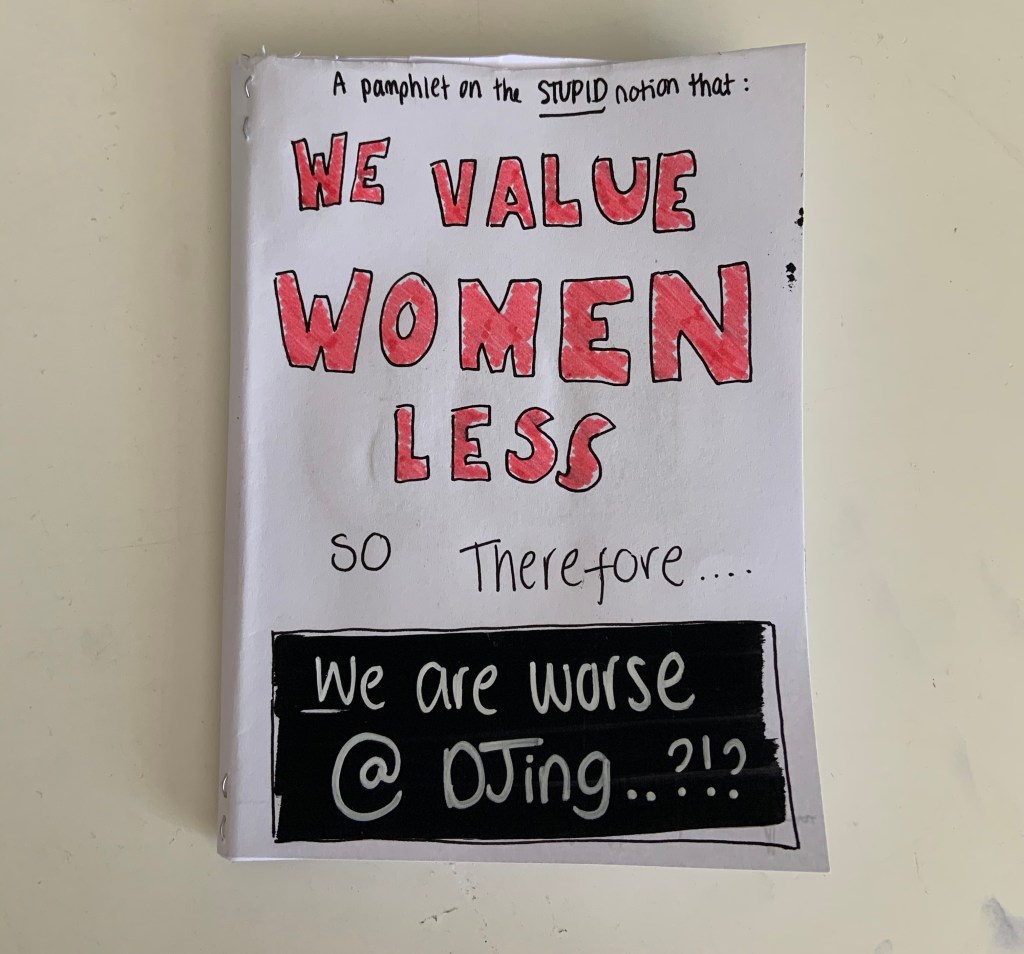
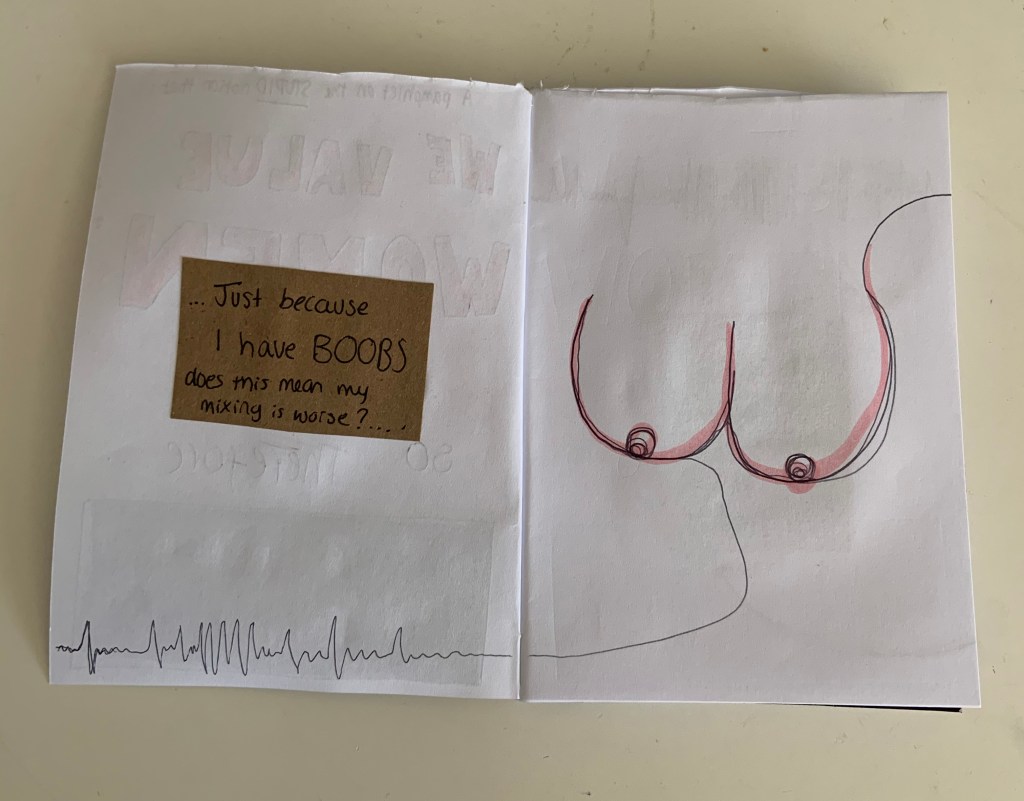
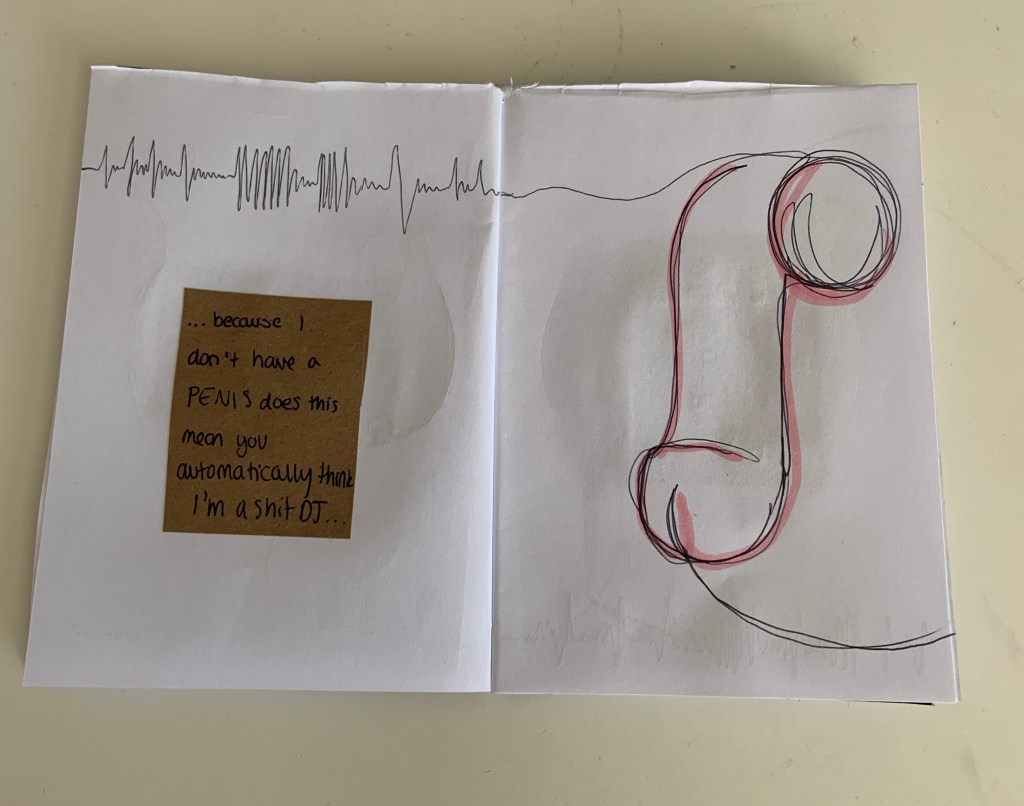
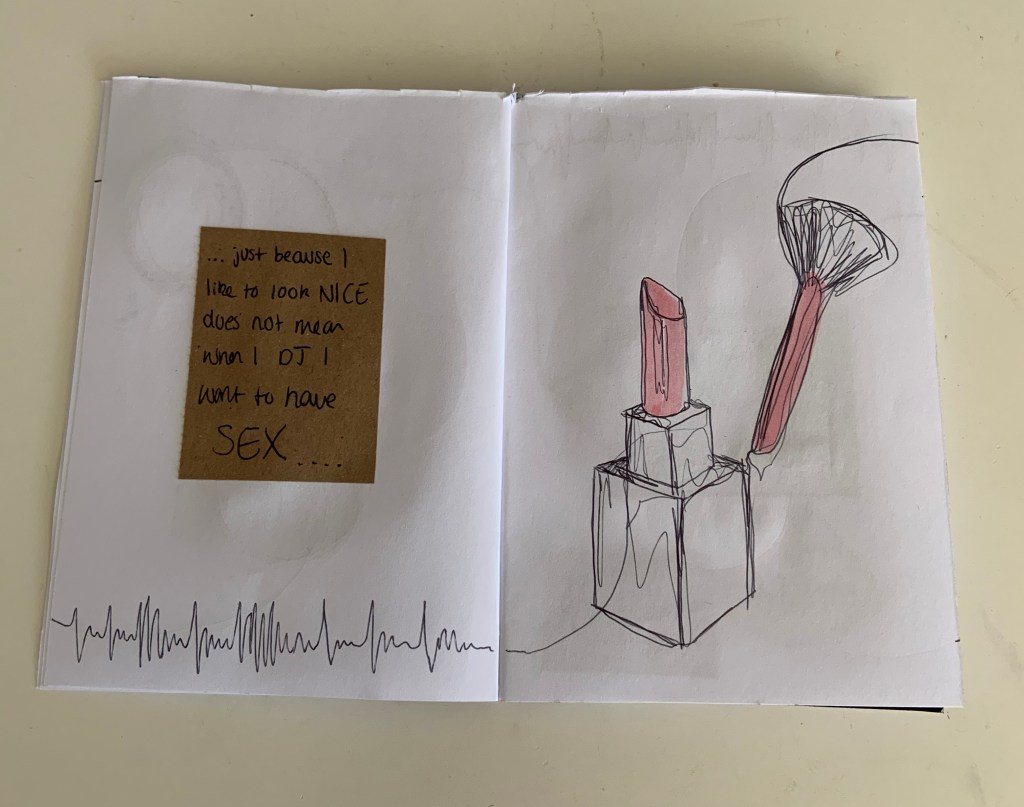
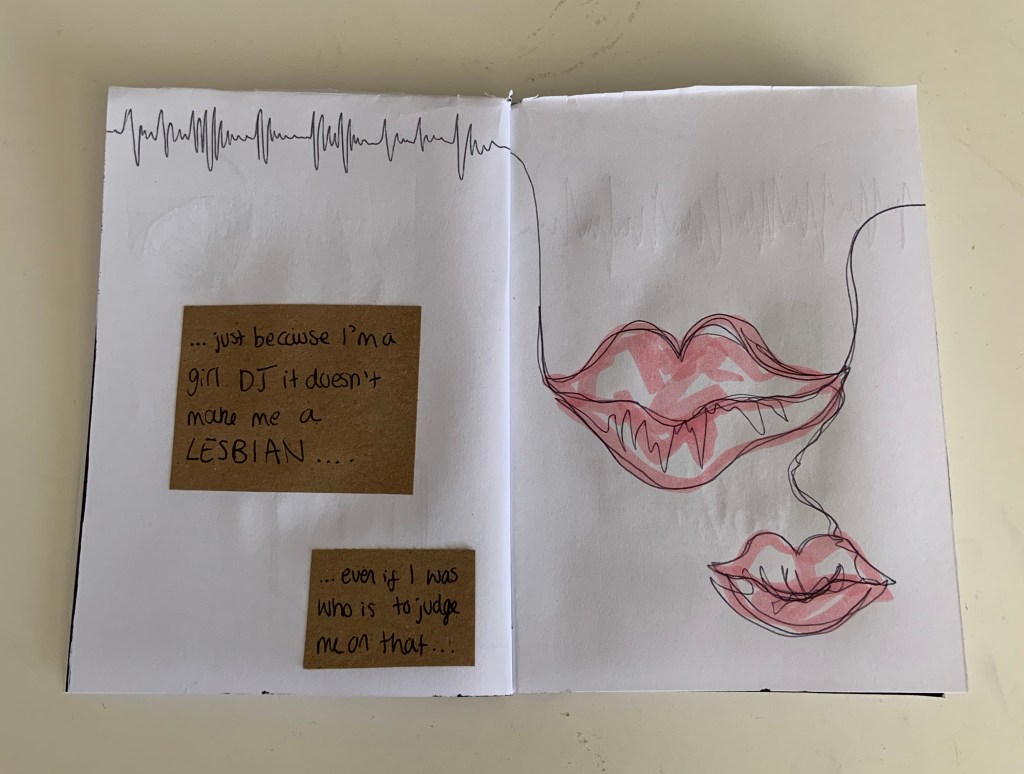
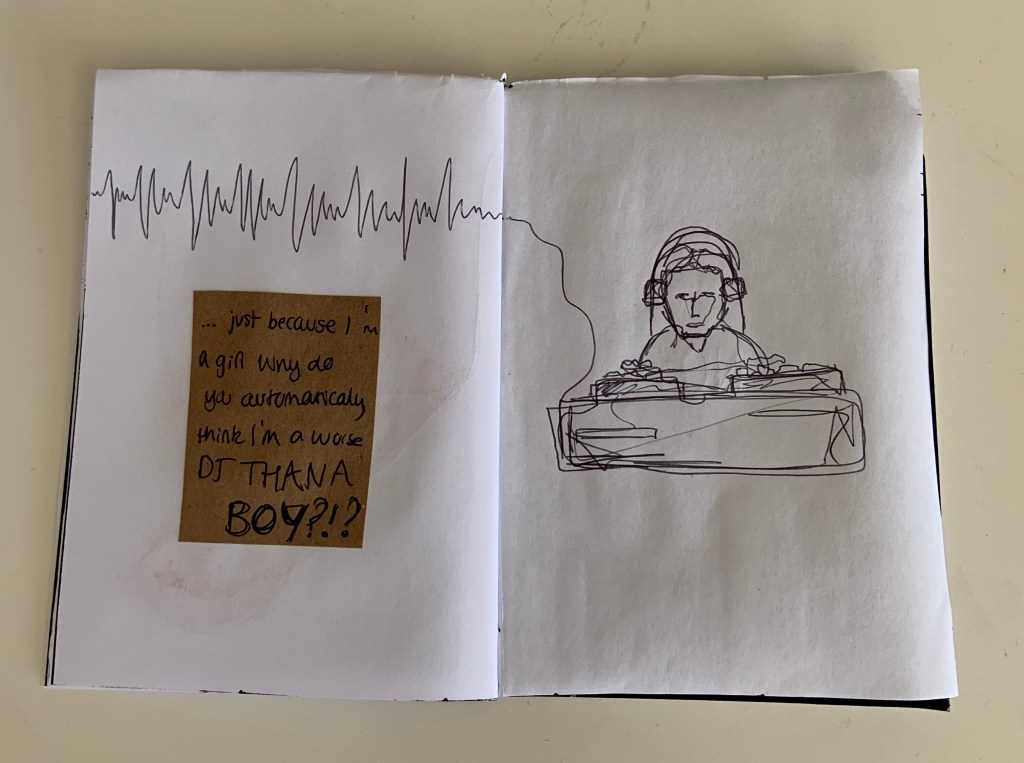
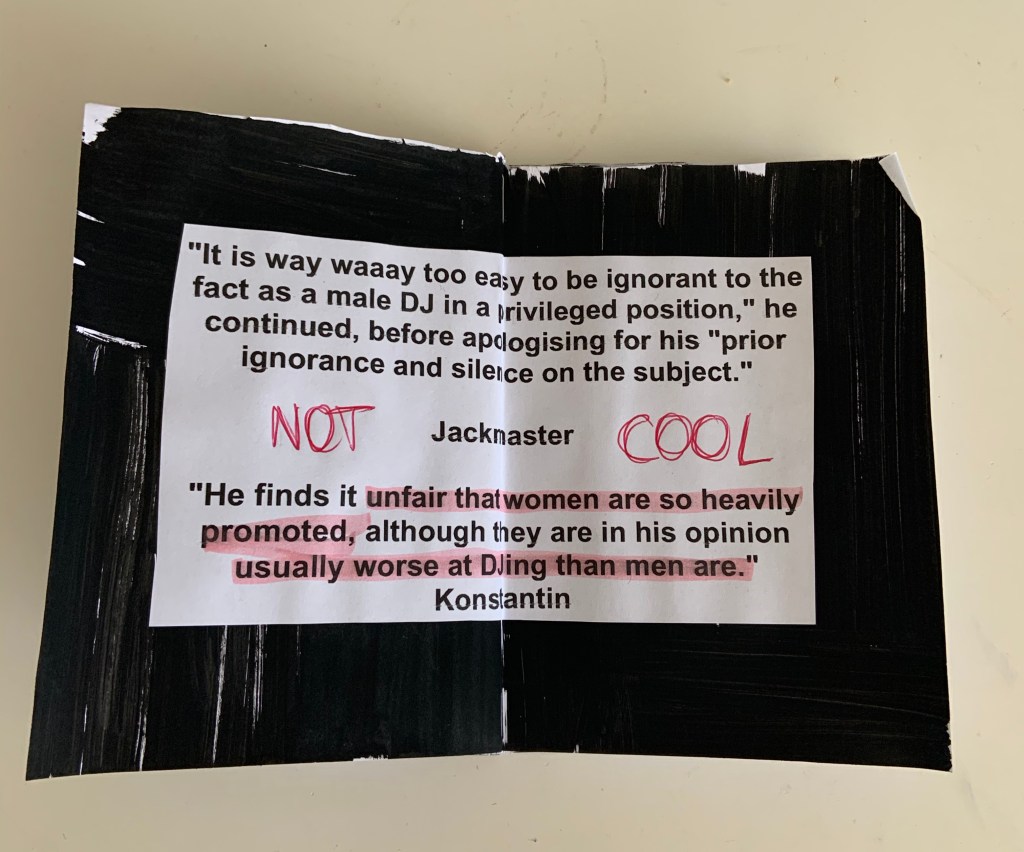
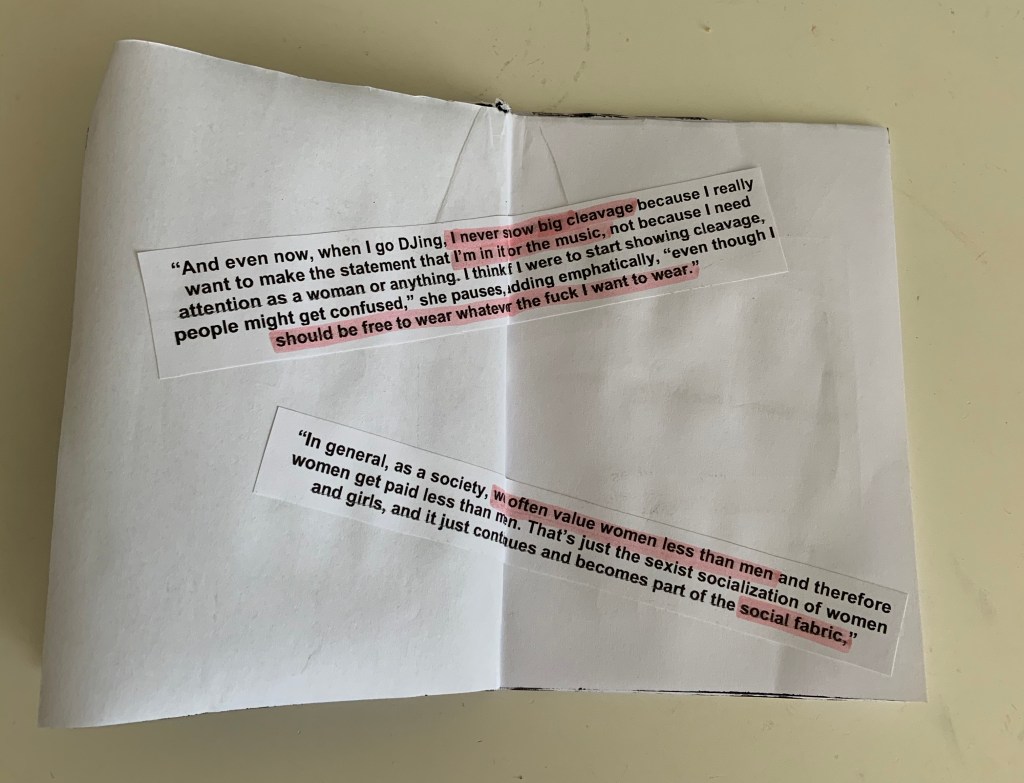
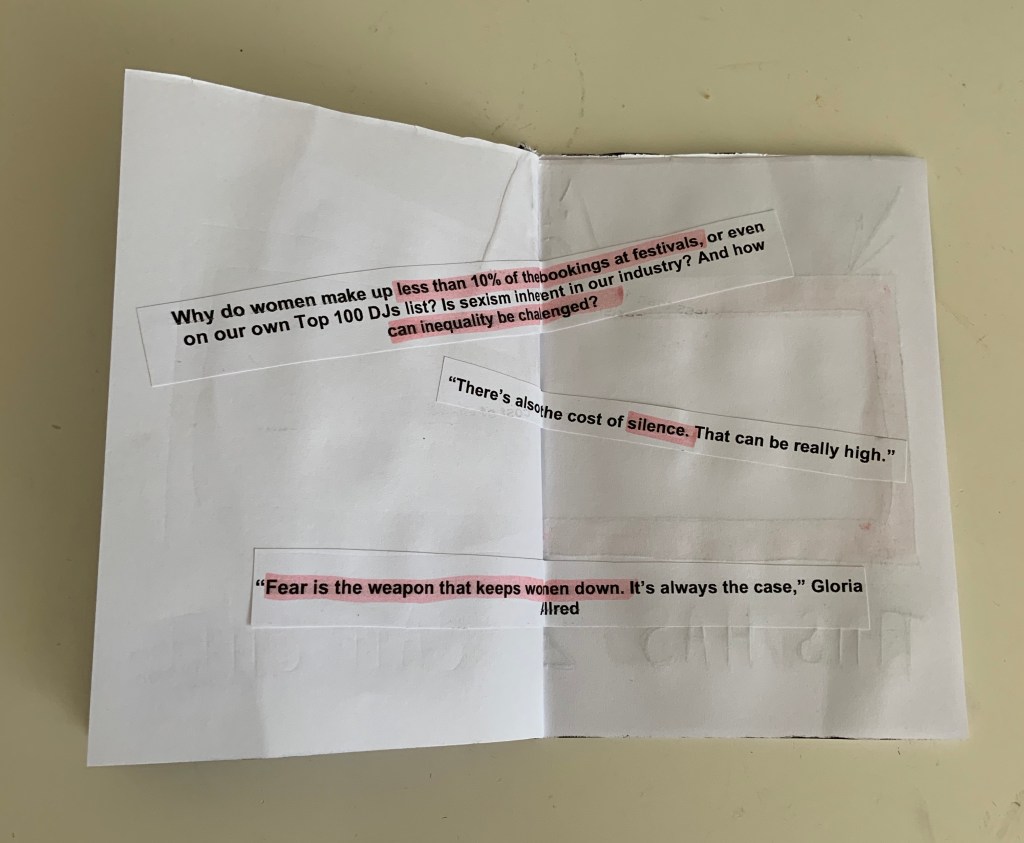
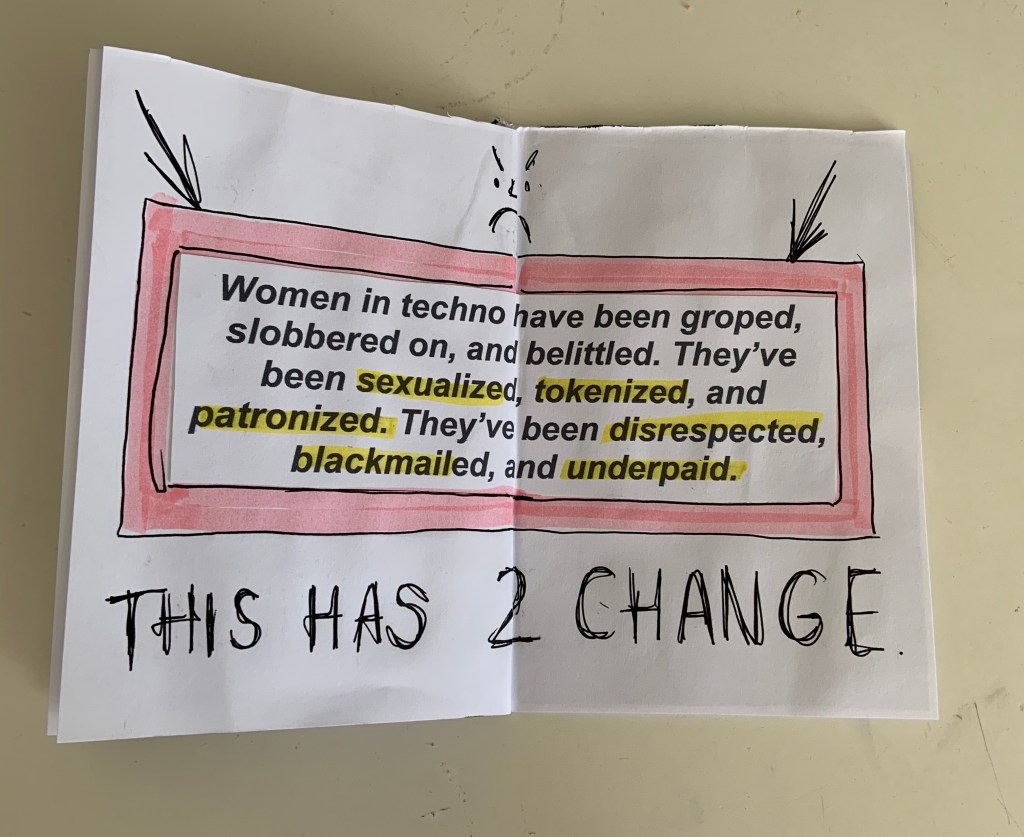
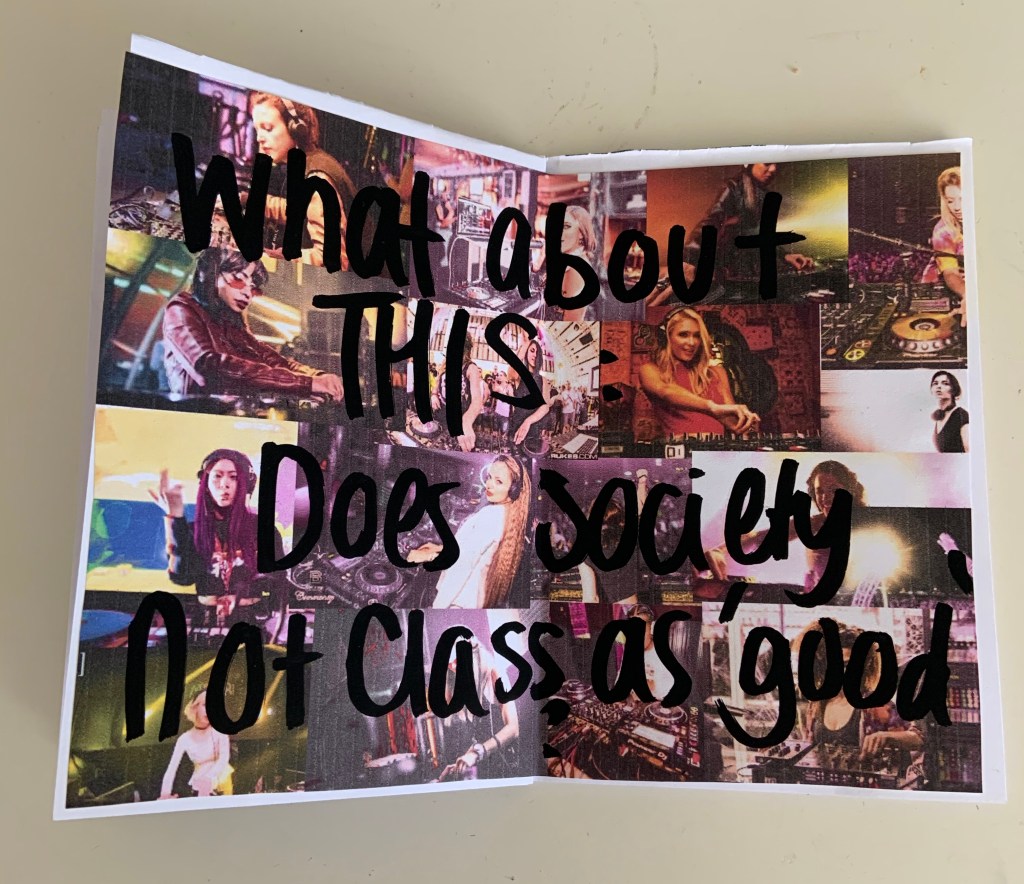
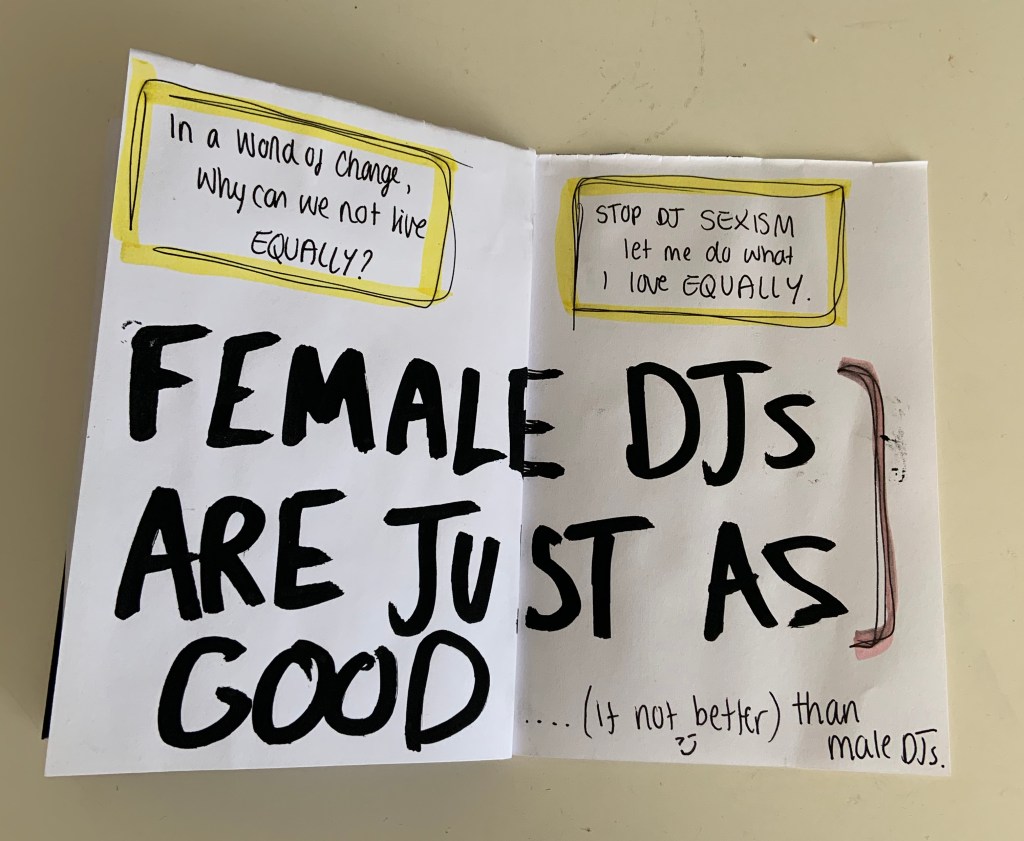
Being a girl DJ myself, I have been exposed to many situations of sexist comments and inequality. When I play, sometimes people will judge whatever I play because of my gender. Even if a boy was to play the exact same music, just because he was a boy people would naturally enjoy the set more. I feel sexism is ingrained within the music industry at the moment. It will change, but it will take many voices to do so. The whole thing makes me very angry, so I wanted to use this pamphlet as a way to voice my views.
Interactive Seminar 3, Week 7, 17/03/2020
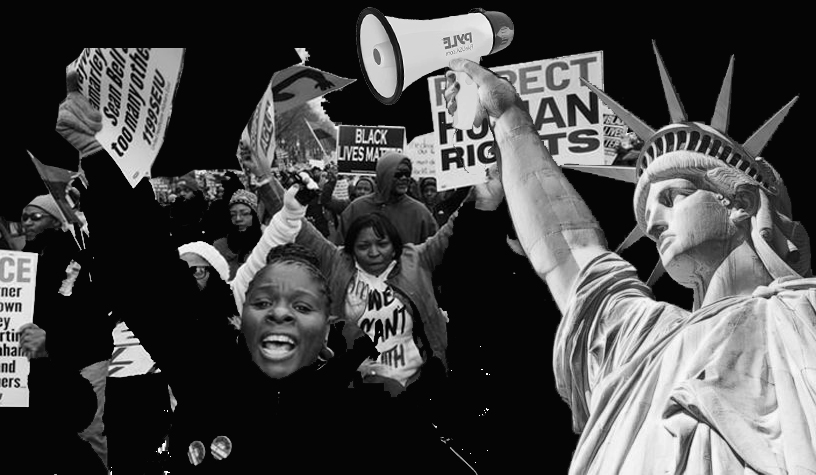
Re-staging Acts of Resistance
Background
- Sporting relations with apartheid South Africa became a touchstone of racial attitudes. In 1981, the Muldoon government allowed a tour of South Africa’s Springbok rugby team to go ahead, despite protests over sporting relations with a country rules by a racist government. Widespread civil unrest erupted.
- The 1981 South African rugby tour polarised opinions and inspired widespread protests across New Zealand. The controversy also extended to the United States, where the South African rugby team continued their tour after departing New Zealand.
- Apartheid had made South Africa an international pariah, and other countries were strongly discouraged from having sporting contacts with it. Rugby union was (and is) an extremely popular sport in New Zealand, and the South African team known as the Springboks were considered to be New Zealand’s most formidable opponents. Therefore, there was a major split in opinion in New Zealand as to whether politics should influence sport in this way and whether the Springboks should be allowed to tour.
Analysing the Image
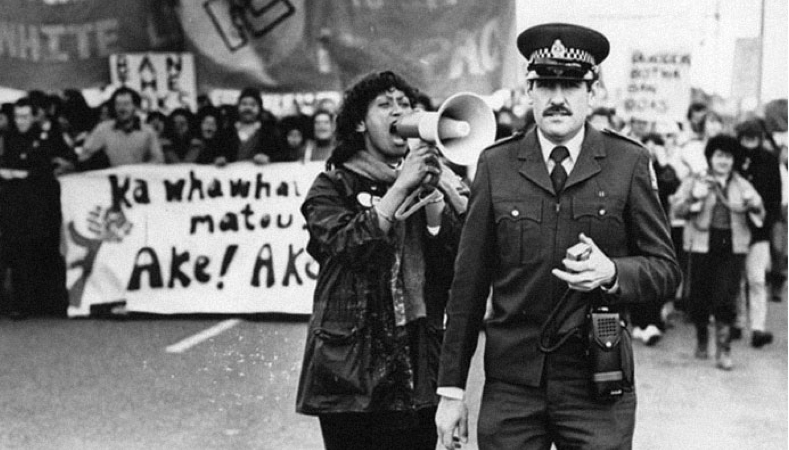
- The black woman is using a megaphone to shout in the ear of a white police officer. He appears to be ignoring her, which becomes only more poignant as the megaphone as a symbol of volume and expression, yet he chooses to ignore her. Challenging the apartheid rules, the black majority are rising up to challenge the white supremacy.
- The image is incredibly impactful as the extreme body of protestors follow the singular woman, holding hundreds of signs in protest against apartheid rule in spirit of the rugby tour.
- Action is being contributed in mass protest. Evidently being taken to the roads and streets, the crowd are following in anger using posters and shouting with megaphones to get their voices heard. The colour of their skin is depriving them of any human rights and equality, challenging white leaders.
- Totally challenging the racial inequalities in South Africa
- The framing of the image is highly emotive, the white policeman is positioned slightly in front of the woman, and is totally ignoring the black protestor. The slightly right positioning of the central protestor and policeman allows the image to open up to see the crowd of protestors behind. This alludes to the bigger page of how many protestors there are against this cause.
- The contrasting expression of the black woman and white man adds to the emotion, her passion, rage and upset is totally shattered by the brutal, blunt expression of the white police man who sees himself above everyone else.
- The impact of the black and white colour scheme also toys with the emotional impact of the image. Toying with the colours of black and white, the drainage of colour makes the protest photograph more serious and emotive as there is now no room for any form of colour or happiness.
- The posters are in a different language, but from the nature of the protest it is clear to the reader who doesn’t know the language the message will be of anger in desire for change. Explanation marks and capital letters further add to this message in comparison with the protestors angry facial expressions shouting at the police officer.
- It is the stark contract between black and white humans that captures the emotion of the topic in the apartheid.
- The roles of the policeman are to control the crowds, so they will naturally be ignoring the sides of the protestors. However, I feel in the context of such heated discrimination between the white supremacy and black minority that the policeman is wanting to ignore the reasons for the black protestor and her followers.
- I believe before this photograph was taken, the protestor groups will have been walking down the streets together, and then as tension builds and protestors together encourage each other to stand for equality, the central woman has broken off to take a stance.
- Judging what happens after the photograph is ambiguous. I believe that either the woman returns to the crowd, or she encourages others to join, or she’s been so persistent with the police officer there may have been a escalation in the police needed to control
Interactive Seminar 4, Week 8, 24/03/2020
Imagining a Desirable Future
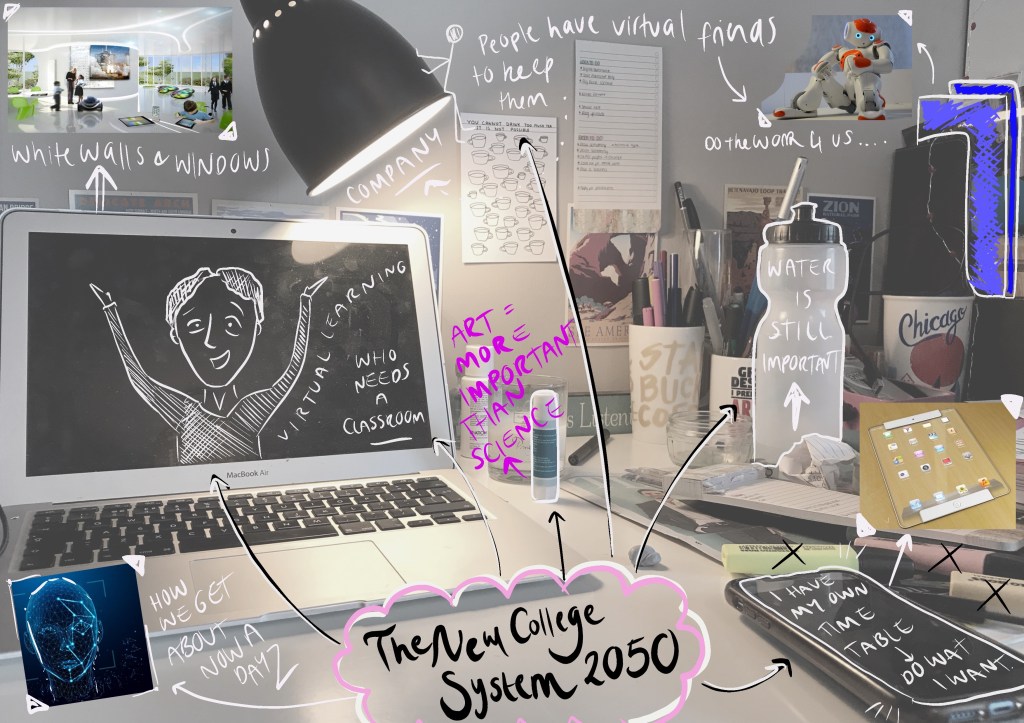
I really enjoyed this task, and I particularly liked listening to the different stories from the audio clips. It really made me think how our future is changing, and how technology is starting to take over. I really liked looking at the college entry, as I felt that this is an experience I have had my whole life, and so I created this mind map centered around my desk. Having to work from home in COVID lockdown, it made me think about how the entry stated virtual learning was most common. This inspired me to look at my two positions and apply words to this visual. I hope one day we have flying cars.
Interactive Seminar 5, Week 9, 28/04/2020
Field Sensing
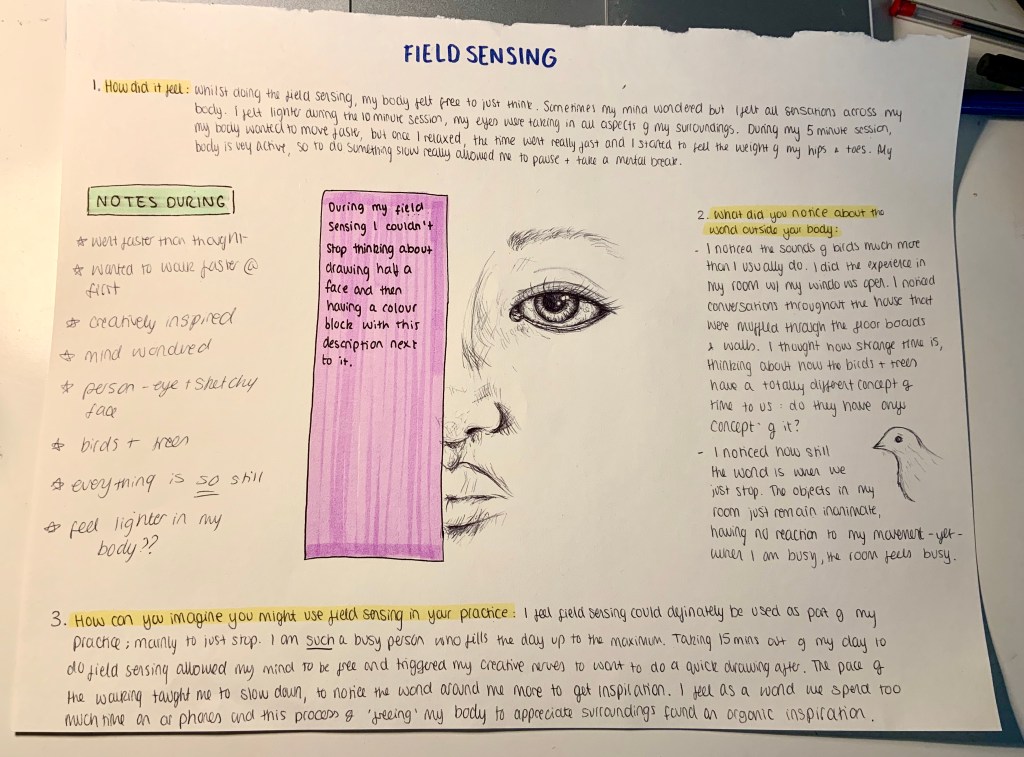
I really enjoyed the field sensing process – much more than I originally thought I would! I struggle to just stop, as I am a very busy person, and this taught me to find original ideas from being silent and letting my mind ‘free’.
 Hattie Abbott : SAB935 Creative Dissent